<img height="1" width="1" style="display:none;" alt="" src="https://px.ads.linkedin.com/collect/?pid=8034874&amp;fmt=gif">
Manufacturing executive overlooking a production floor in an industrial facility

LEADERSHIP STYLE ASSESSMENT

Hire the right leader to drive business outcomes

Want to uncover your leadership style?
Take your assessment now
Leadership style report example (1)

Leadership shows up in decisions, not interviews

A strong résumé doesn't tell you how someone leads. Our Leadership Style Assessment does. Built around real-world situations leaders face across manufacturing, distribution and industrial technology, it shows you how a candidate makes decisions and whether that fits your role, your team and where your business is headed. 
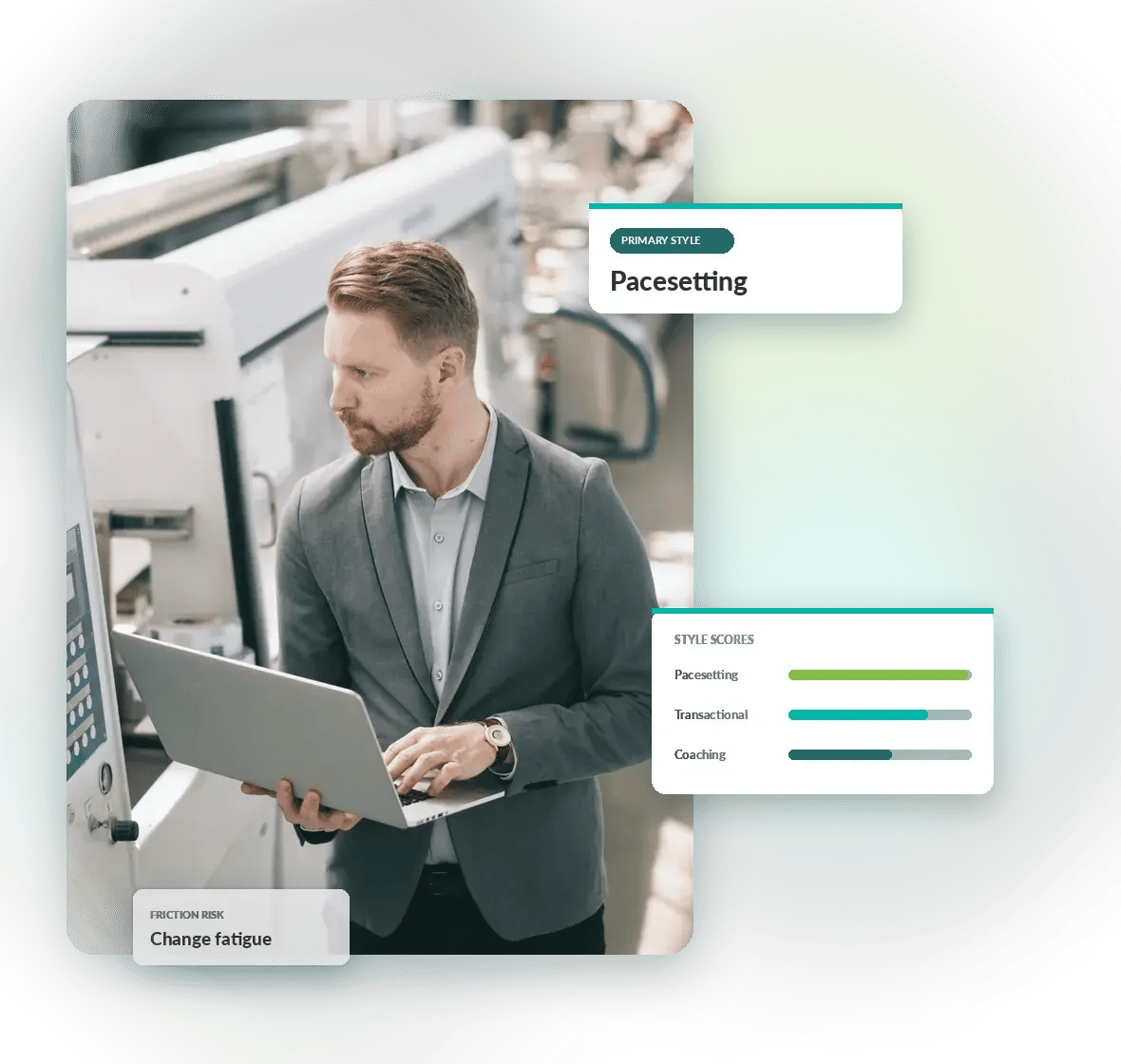
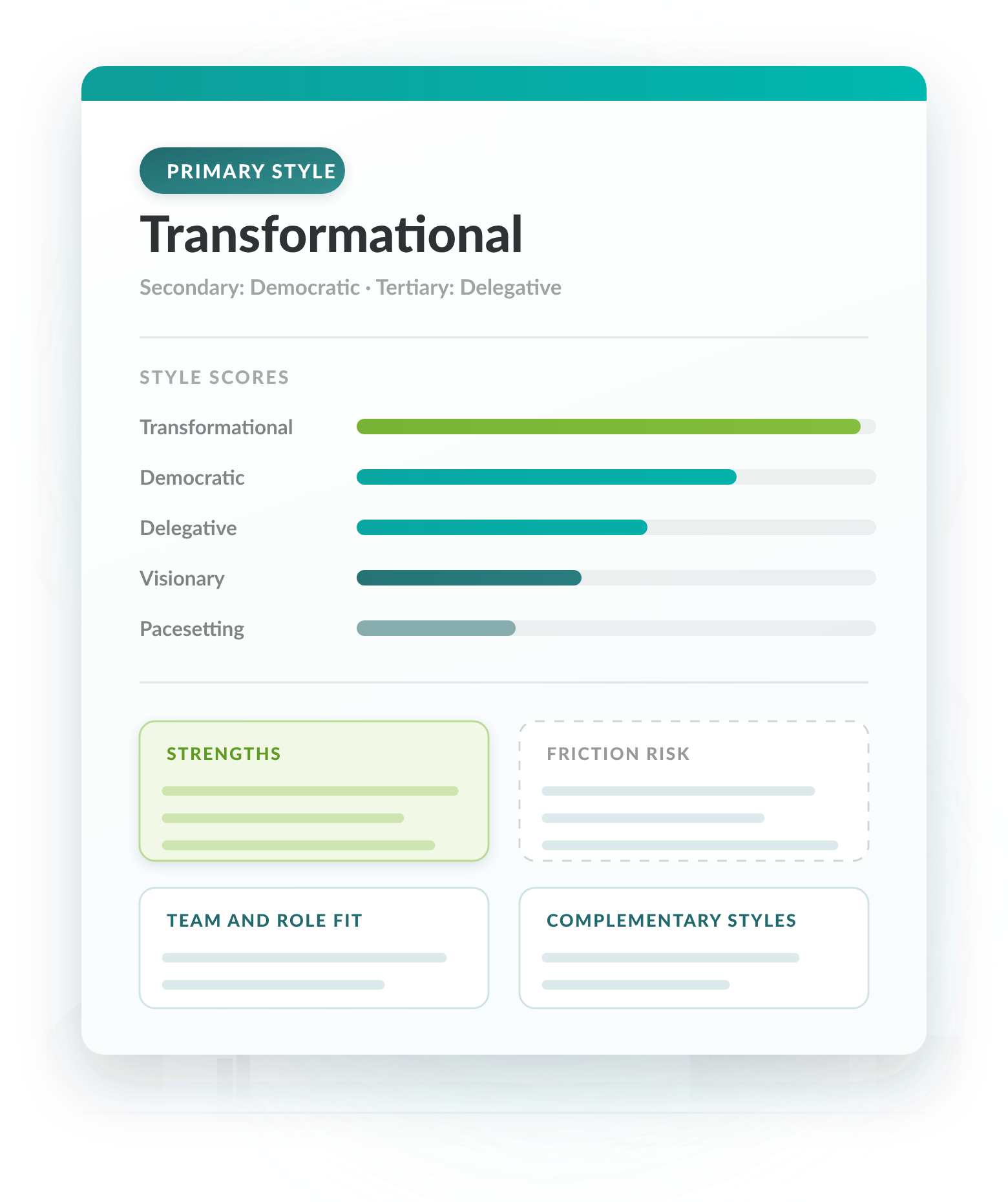
Manufacturing leader with leadership style, environment fit and friction risk results

What changes when you can see how someone leads

Hire with more confidence
Experience and a good interview only tell you so much. This shows you how each finalist is likely to lead once they're in the role.

Get your hiring team aligned
Everyone reads the same six areas on every finalist. That makes finalists easier to compare and the decision easier to reach.

Surface friction before you hire
See where a candidate's approach will work and where it will create problems, while you still have time to dig in.

Better insight, no second vendor
Included in every Index Search leadership and executive search. No extra cost, no procurement, no platform to manage.

Inside every Leadership Style Report

Results only help if you can see what they mean. Each Leadership Style Report shows how a candidate would actually operate in your business.

  • Dominant leadership styles: The styles that show up strongest, and how they work together.

  • Leadership strengths: What this leader brings to decisions, teams, change and performance.

  • Best-fit environments: The business stages and conditions where this approach works.

leadership-style-report
  • Team and role fit: The teams and situations where they have the most impact.

  • Friction and risk: Where the same habits that create strengths, can cause problems.

  • Complementary styles: The approaches that balance them on your leadership team.

What type of leader does your business actually need?

The right leader depends on the job. What they need to accomplish, the environment they're walking into, and the team they'll lead. So we don't look at leadership style on its own. We define what the role takes first, then measure every candidate against it.

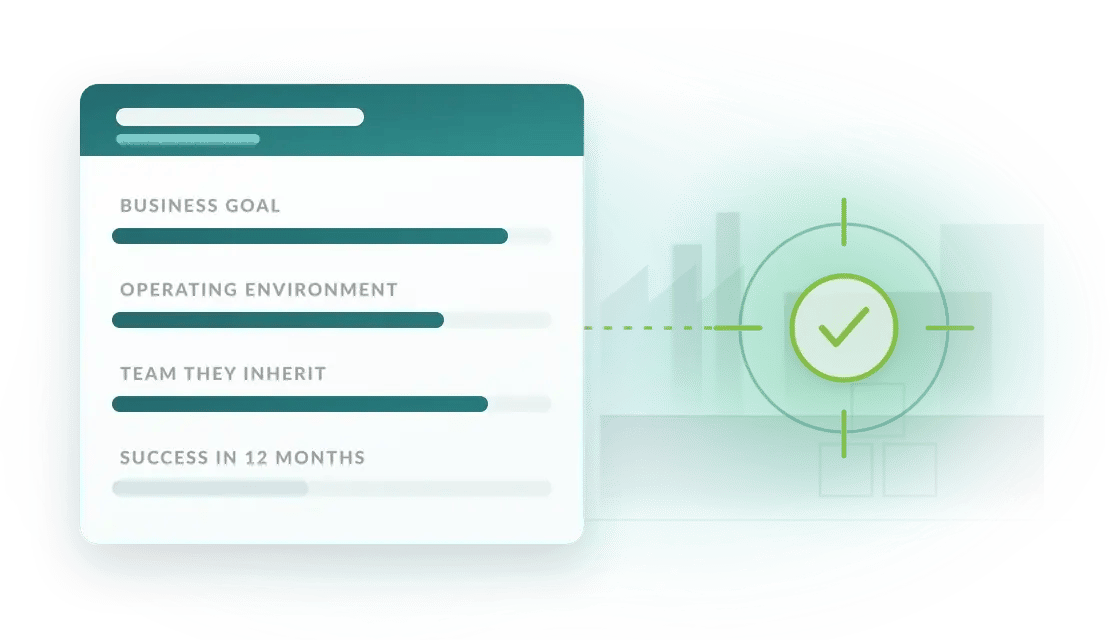
Search criteria defined against a manufacturing facility before candidates enter the process
01

Define what your business needs

Before the search, we agree on the goals, the role, the team and the environment. Everyone knows what this hire has to deliver.

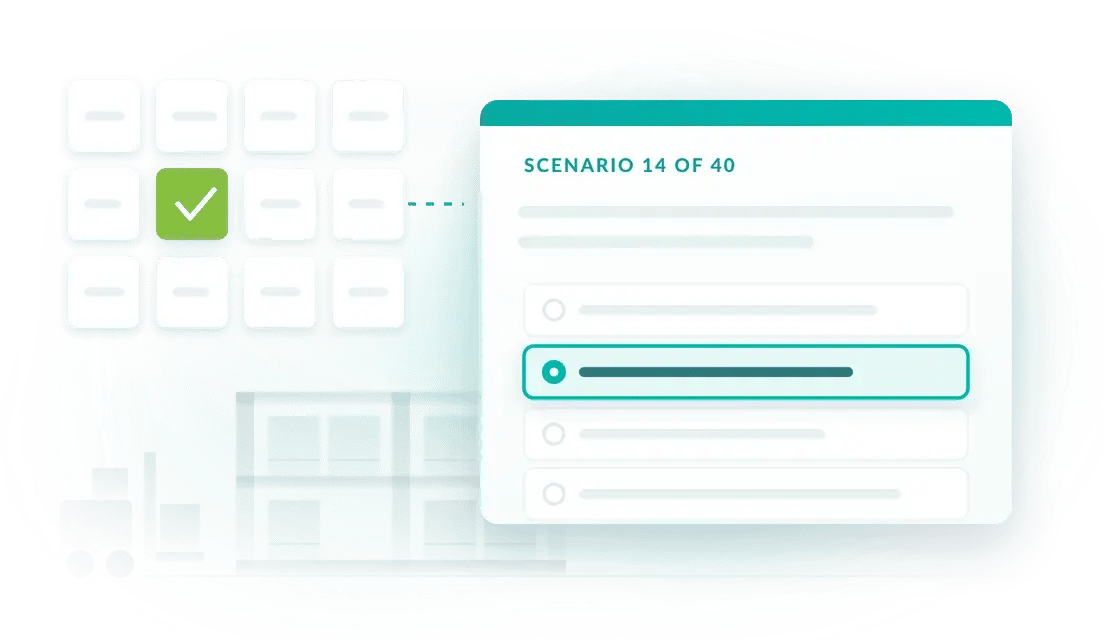
Forty workplace scenarios with one response selected, shown over warehouse racking
02

Understand how each candidate leads

Candidates take the assessment as part of our evaluation. We learn their strongest styles, their strengths, the environments they fit, and where the friction shows up. 

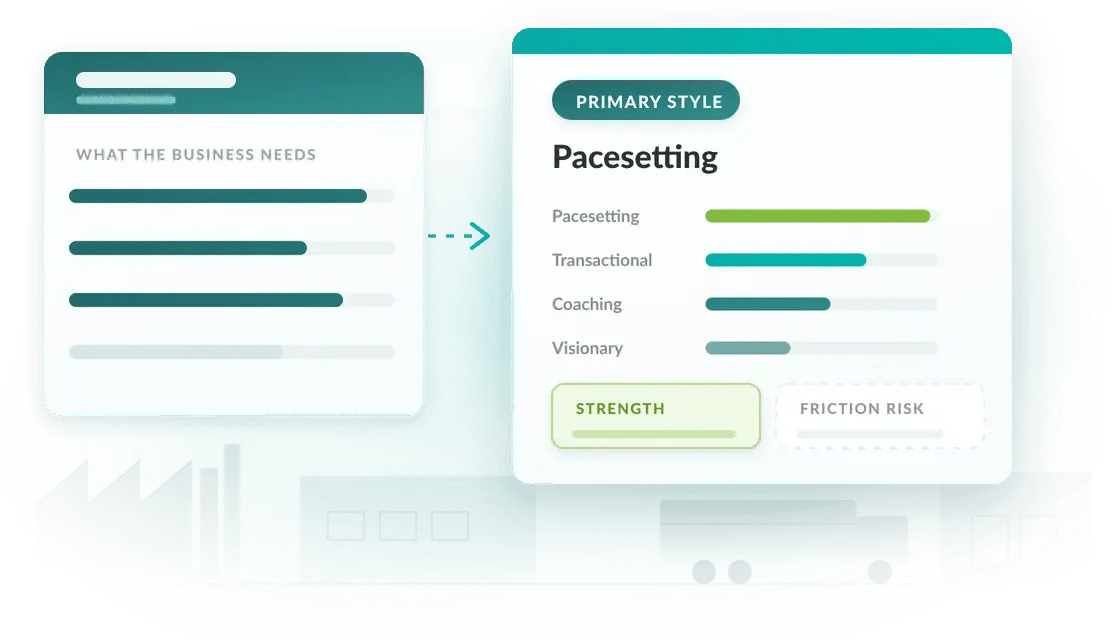
Index Search Leadership Style Report showing primary style, scores, strengths and friction risk
03

Evaluate each leader's alignment

We then bring the two together. Your hiring team sees both experience and leadership fit before making a decision.

The ten leadership styles we evaluate

The Index Search Leadership Style Assessment evaluates ten distinct approaches to leadership. Most leaders draw from several styles depending on the situation, which is why each report identifies a candidate's top three rather than assigning them a single label.

Autocratic

Owns the call. Moves without delay.

Bureaucratic

Leads through structure, not favorites.

Coaching

Develops people. Plays the long game.

Collaborative

People first. Relationships as strategy.

Delegative

Steps back so others can step up.

Democratic

Decides with the room, not for it.

Pacesetting

Sets the standard. Expects the team to hit it.

Transactional

Clear goals. Clear consequences.

Transformational

Moves people, not just projects.

Visionary

Sees the horizon others can't. Leads toward it.

Want the full breakdown, best fit, pairing and watch-outs for each style?

Download the full guide →

Leadership style and hiring FAQs

Common questions from hiring teams evaluating leadership hires in manufacturing, distribution and industrial technology.

No. Different approaches work in different situations, depending on company stage, team and what the role has to deliver. The goal is finding the approach that fits what your business needs the leader to accomplish.

Yes. Someone can have an excellent track record and still be wrong for the environment, team or challenge they're entering. Leadership hiring has to weigh both what a person has done and how they lead.

The constraints are physical and the accountability is immediate. Leaders manage competing priorities against a production number, often inherit teams who have been on site longer than they have, and make calls with incomplete information under real time pressure. A leadership style that works in a corporate environment does not always survive a plant floor.

Most are general-purpose instruments applied the same way in every industry. Index Search built this one around situations that happen in manufacturing, distribution and industrial technology, and our recruiters interpret the results against your operating reality rather than a national benchmark.

It should add context, not make the decision. Index Search uses the Leadership Style Assessment alongside experience, interviews and references to find alignment and flag what deserves a closer look.

Their leadership approach is usually where the real differences show up. Preferred environments, team dynamics, decision-making habits and friction points help your team see which one fits the role better.

Index Search first defines what the business needs the hire to accomplish, the role, the team and what success looks like. Each candidate's report is then read against that.

Index Search built it rather than licensing a general-purpose tool. The framework draws on established leadership research, including Daniel Goleman's work on leadership styles, adapted for industrial environments by an executive advisor. The 40 scenarios cover situations leaders in manufacturing, distribution and industrial technology actually face. Our founder, Matt Dionne, spent more than 25 years as a manufacturing operating executive, and that shaped both the scenarios and how results are read.

Leadership and executive searches, where the role carries responsibility for a team, a function or a business unit.

No. Candidates take it only after passing our initial screening and being evaluated against the role requirements. You get reports on qualified candidates under serious consideration, not everyone who applied.

Yes. Most of the people worth hiring are not actively looking, and they won't spend 40 minutes on an evaluation they never see. Sharing the report keeps strong passive candidates engaged.

Your next leadership hire is too important to guess on

Tell us about the role and the team. We'll define what success requires, then evaluate candidates against it.